Flip It Over: The Weird, Wonderful World of the British B-Side and How It Quietly Built Modern Music
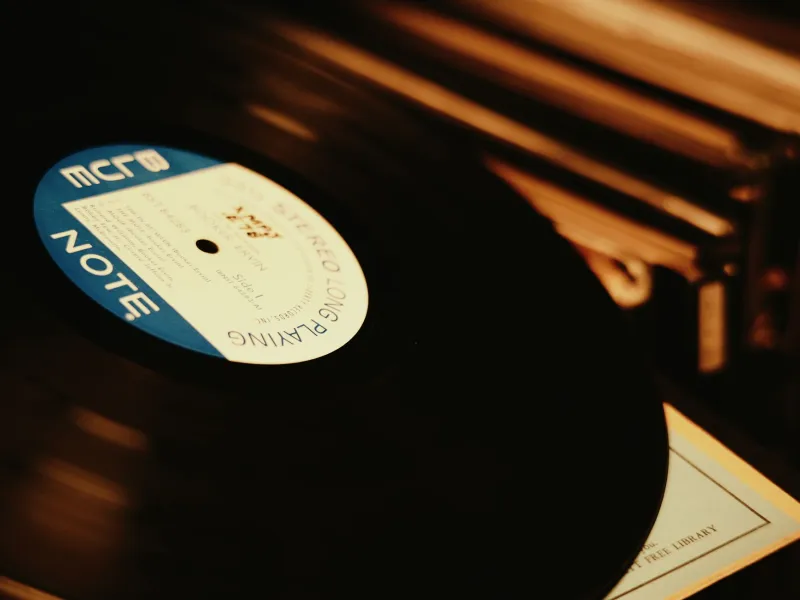
Sometime in the mid-1960s, a session musician in a London recording studio — one of those anonymous, brilliantly skilled players who could sight-read anything and never got a credit — looked at the clock, looked at the remaining tape, and suggested something strange. The A-side was done. The single was finished. There was time left, and nobody important was paying attention.
What if we just tried something?
This moment, in various forms, happened hundreds of times across British studios from the late 1950s to the early 1990s. And out of those unguarded hours came a body of work that quietly, almost accidentally, invented techniques that now sit at the heart of contemporary music production.
The Beautiful Logic of Nobody Watching
The economics of the B-side were, creatively speaking, a gift. Record labels needed something to put on the flip — contractually, practically, inevitably. But they didn't need it to sell. They didn't need it to get airplay. They needed it to exist, and that was more or less the end of their interest in it.
For the artists and producers who understood this, it was an extraordinary opportunity. The A-side carried all the commercial pressure: it had to be radio-friendly, hook-laden, accessible. The B-side had to be none of those things. It just had to fill the space.
What British pop experimenters did with that space is one of the great untold stories of twentieth-century creativity.
Tape, Loops, and the Sound of Tomorrow
Joe Meek produced from a flat above a leather goods shop in Holloway Road, north London, using equipment that proper studio engineers regarded with barely concealed horror. He'd been told, repeatedly, that he didn't know what he was doing. He'd been told his techniques were wrong, his sounds were ugly, his instincts were suspect.
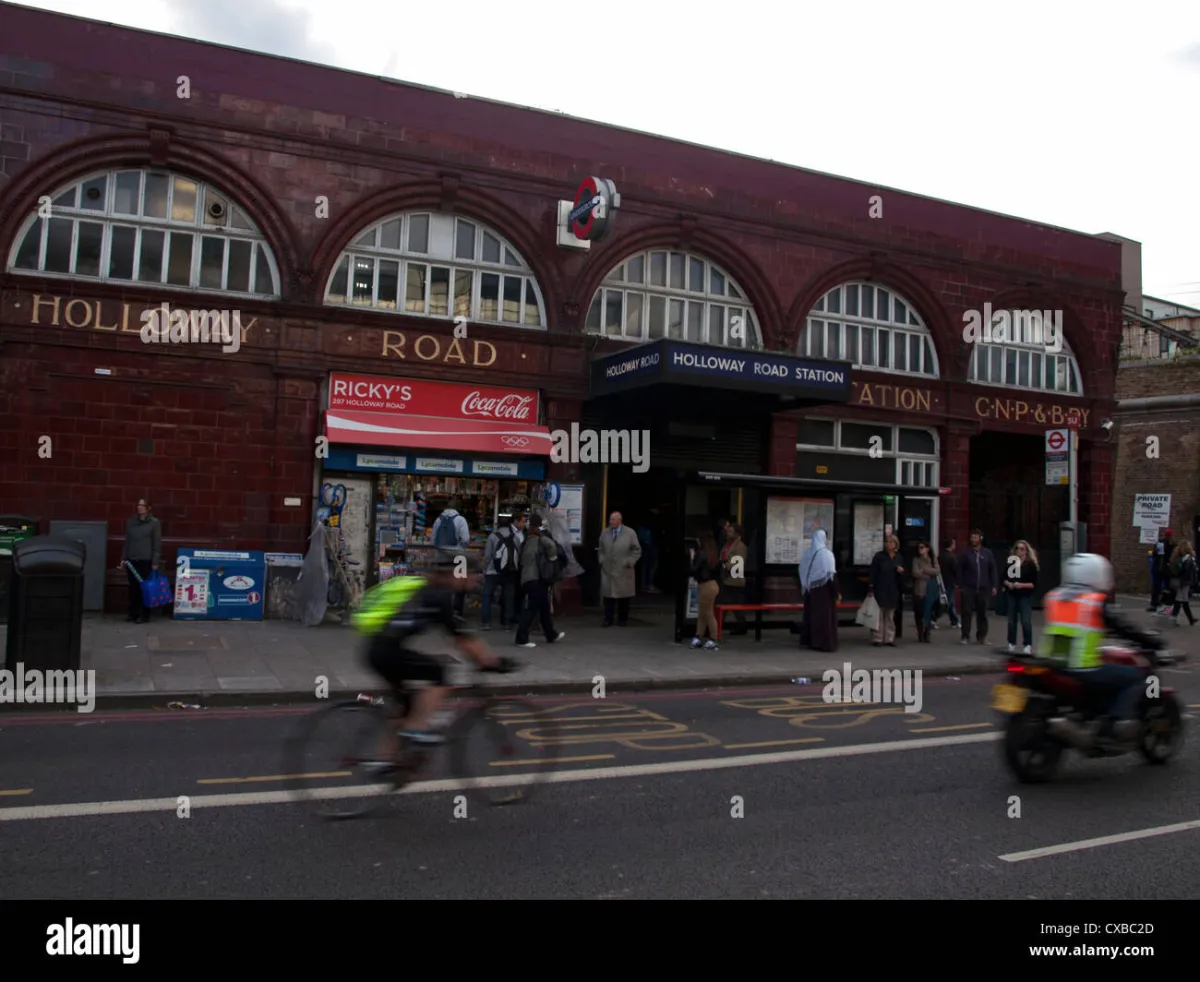 Photo: Holloway Road, via c8.alamy.com
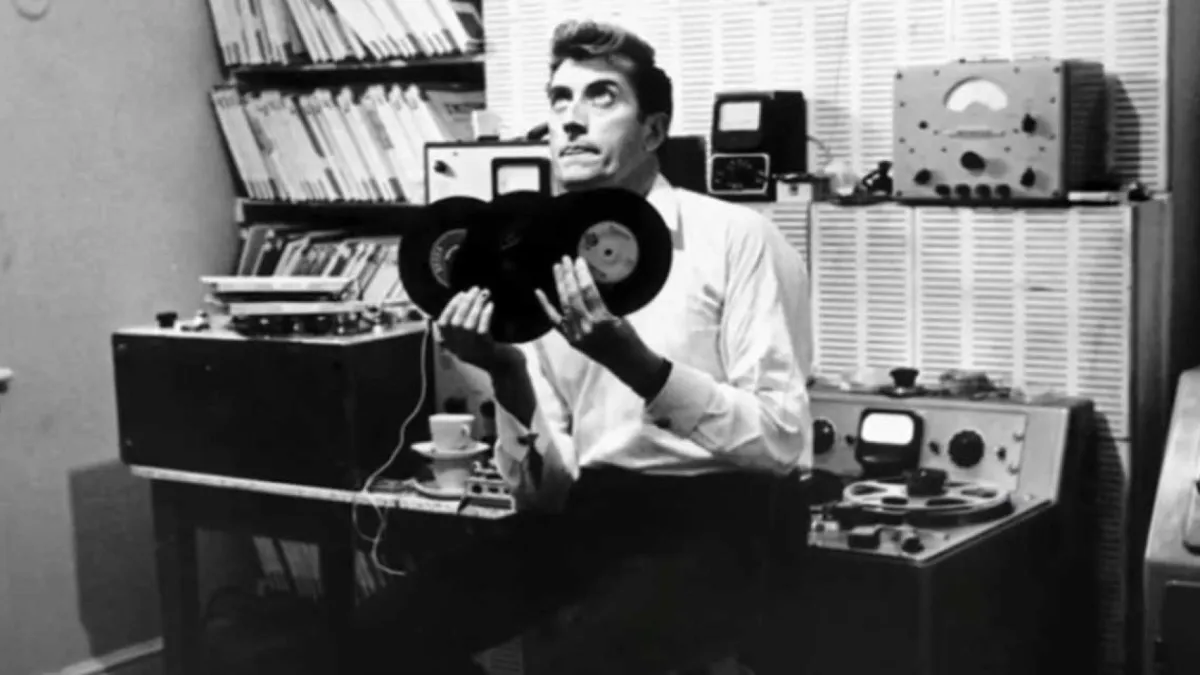 Photo: Joe Meek, via a1.elespanol.com
He was also, quietly, inventing the future.
Meek's B-sides — and those he influenced — were laboratories for tape manipulation: slowing recordings down, reversing them, layering sounds in ways that had no precedent. He treated the studio not as a neutral recording environment but as an instrument in itself. The A-sides paid the bills. The B-sides were where he found out what was actually possible.
The techniques he pioneered on those overlooked flip sides would later be cited by producers working in genres that didn't yet exist when Meek was alive. He died in 1967, largely dismissed by the industry he'd helped to shape. The B-sides outlasted the dismissal.
The Session Players Who Kept the Secrets
Britain's session musician community in the 1960s and 70s was a remarkably tight-knit world — a rotating cast of extraordinarily talented players who appeared, uncredited, on an almost surreal number of famous recordings. They could play anything, in any style, at short notice, with minimal instruction.
They were also, when given the opportunity, deeply experimental.
On B-sides — particularly for smaller labels without the budget or inclination to supervise closely — session players would introduce elements that had no business being in a pop record. Strange time signatures. Unconventional tunings. Instruments borrowed from folk, jazz, or classical traditions and dropped into arrangements that had no obvious category.
Some of these experiments were disasters. Many were bizarre. A few were genuinely visionary — proto-ambient textures, rhythmic structures that anticipated drum machine patterns by a decade, harmonic ideas that would later surface in post-punk and beyond.
Nobody was cataloguing this at the time. The records went into the racks, the session players went home, and the innovations sat quietly on the vinyl waiting for someone to notice.
The Synthesiser Oddities
When synthesisers began appearing in British studios in the late 1960s and early 70s, the A-side was no place for them. They were too strange, too unfamiliar, too likely to baffle the Radio 1 playlist committee. So they went on the B-side.
The result was a scattered, largely uncelebrated body of electronic experimentation that reads, in retrospect, like a map of where music was heading. Wobbling oscillators. Pitch-shifted vocals. Rhythmic patterns generated by machines that had never been designed to make music at all.
Producers like the BBC Radiophonic Workshop's staff — who worked in a space that was itself a kind of institutionalised B-side, making sounds for programmes rather than records — developed techniques that filtered outward into commercial pop through exactly these kinds of low-stakes, high-imagination sessions.
The synthesiser oddities of the British B-side are the missing link between the avant-garde and the dancefloor. They just didn't get credited at the time.
Found Sound and the Collage Instinct
Somewhere in the mid-1970s, a handful of British artists started treating the B-side as a space for what we'd now call sampling — though the word didn't exist yet, and the technology for doing it properly wouldn't arrive for another decade. They used found sounds: street noise, snatches of radio, fragments of speech, the ambient texture of ordinary life.
It was messy, often baffling, and occasionally brilliant. It was also the instinct that would eventually power hip-hop, electronic music, and the entire sample-based production tradition. The British B-side got there first, working with reel-to-reel tape and a pair of scissors, in studios that smelled of cigarettes and instant coffee.
What the Flip Side Tells Us
The B-side is a lesson in what happens when you remove commercial pressure from creative people and give them time, space, and tape. The results aren't always good. Often they're deeply strange. But occasionally — often enough to matter — they're genuinely new.
Britain produced an unusual number of these moments, partly because of the particular economics of its record industry, partly because of the density of its session musician culture, and partly — perhaps — because the British have always had a soft spot for the eccentric and the oblique.
The A-side got the airplay. The B-side got the future. Turn it over.