The Genius Wave Where Brilliant Ideas Break Surface

The Genius Wave

Where Brilliant Ideas Break Surface

Latest Articles

The Linoleum Laboratory: What Britain's Village Halls Know About Genius That Nobody Writes Down
Community

The Linoleum Laboratory: What Britain's Village Halls Know About Genius That Nobody Writes Down

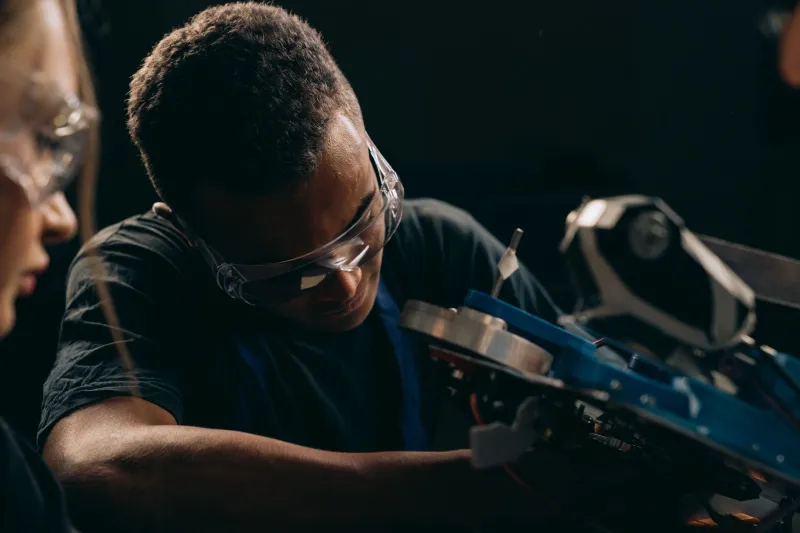
Tucked behind churchyards and Co-op car parks, the village hall is Britain's least glamorous address and one of its most productive. Cheap rent, bad acoustics, and the shared ordeal of the tea urn turn out to be a surprisingly effective recipe for accidental invention — and in 2026, these rooms are quietly slipping away.

10p a Go: The Seaside Arcades Where British Kids Learned to Code Before Anybody Called It Coding
Culture

10p a Go: The Seaside Arcades Where British Kids Learned to Code Before Anybody Called It Coding

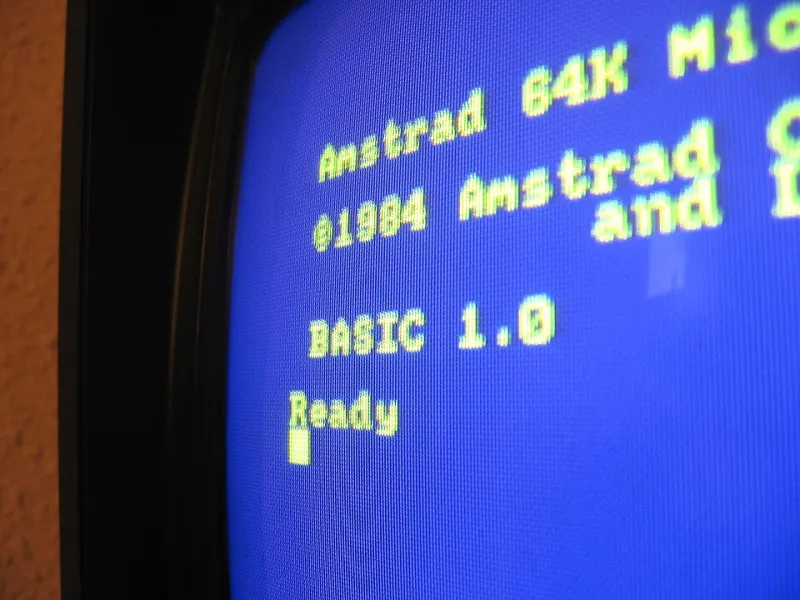
Before the bedroom coders, before the tape-loading screens and the mail-order software, there were arcades on rainy piers and back rooms above chip shops. The coastal amusement trade gave a generation of British kids their first relationship with a machine they could argue with — and the habits that built a games industry.

Press 1 for Reinvention: The Quiet Second Life of Britain's Red Phone Boxes
Innovation

Press 1 for Reinvention: The Quiet Second Life of Britain's Red Phone Boxes

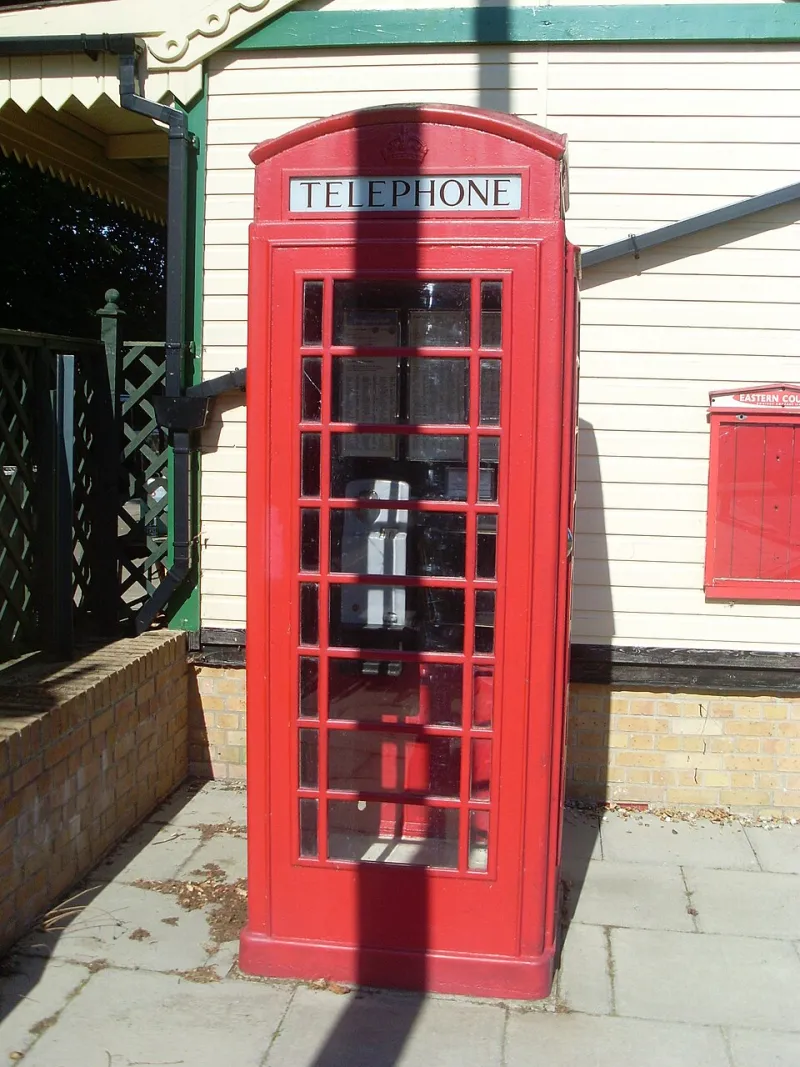
There are thousands of red telephone boxes in Britain with nothing left to do. Rather than scrap a design classic, communities have been filling them with books, defibrillators, seeds and coffee. It is one of the country's most quietly inventive reuse projects — and a masterclass in how constraint breeds better ideas.

Where the Kettle Clicks, Genius Follows: The Secret History of Britain's Tea-Round Breakthroughs
Culture

Where the Kettle Clicks, Genius Follows: The Secret History of Britain's Tea-Round Breakthroughs

The humble office kettle has quietly done more for British innovation than most innovation budgets. From wartime factory tea wagons to co-working kitchens designed for accidental chats, the brew might be our most reliable thinking machine.

A Fiver an Hour and the Future: Inside the Draughty Cathedrals of British Invention
Innovation

A Fiver an Hour and the Future: Inside the Draughty Cathedrals of British Invention

Village halls have hosted everything from amateur dramatics to early computing clubs, all for a modest hourly rate and the promise of stacking the chairs afterwards. It's time we recognised this unglamorous public space as Britain's most affordable incubator.

Seven Beautiful Botches: When Mangled Translations Handed Britain Its Best Ideas
Culture

Seven Beautiful Botches: When Mangled Translations Handed Britain Its Best Ideas

History's greatest mistranslations didn't just embarrass British scholars — some of them accidentally redirected science, literature and engineering down paths that turned out wonderfully right. A celebration of the wrong word at the right moment.

Salt on Their Sleeves: The Shoreline Watchers Who Made Rockpools Speak
Culture

Salt on Their Sleeves: The Shoreline Watchers Who Made Rockpools Speak

Long before marine biology had laboratories, Britain's beachcombers were already doing the science — buckets in hand, knees wet, notebooks brine-stained. From Victorian seaweed albums to Cornish citizen-science surveys, the rockpool has quietly been one of our most productive research institutions.

Spill It: Nine British Blunders That Accidentally Changed Everything
Culture

Spill It: Nine British Blunders That Accidentally Changed Everything

Botched experiments, misread dials and lucky spills — a countdown of the mistakes that turned out to be Britain's most productive export. Serendipity, it turns out, is less a fluke and more a national competency.

Innovation Begins at the Shed: Why Allotments Are Britain's Best R&D Department
Innovation

Innovation Begins at the Shed: Why Allotments Are Britain's Best R&D Department

An argument, half serious and entirely sincere, that if the government wants a national innovation strategy it should stop consulting boardrooms and start walking down the allotment path. Improvised irrigation, seed-swapping networks and stubborn experimentation — the plot has it all.

Queuing for Inspiration: Why Britain's Most Orderly Habit Keeps Producing Its Wildest Ideas
Culture

Queuing for Inspiration: Why Britain's Most Orderly Habit Keeps Producing Its Wildest Ideas

Britain's queue is many things: a social contract, a mild competitive sport, a place where passive aggression reaches its purest form. But it's also, quietly, one of the country's most productive accidental think tanks. From supermarket checkout grumbles to bus stop breakthroughs, the conversations that happen in Britain's queues have a strange habit of becoming tomorrow's innovations.

Reading Between the Lines: How Britain's Neurodivergent Engineers Rewired the Rule Book
Innovation

Reading Between the Lines: How Britain's Neurodivergent Engineers Rewired the Rule Book

The instruction manual exists to make things predictable. But some of Britain's most extraordinary engineering breakthroughs came from people who couldn't — or simply wouldn't — follow instructions the way they were written. Far from being a disadvantage, the neurodivergent thinking styles of certain British engineers turned out to be the very thing that let them see solutions nobody else had thought to look for.

Corners of Genius: The Notebook Architects Who Quietly Remade Britain's Streets
Culture

Corners of Genius: The Notebook Architects Who Quietly Remade Britain's Streets

Britain's most transformative urban spaces weren't always born in glass-walled studios or on expensive CAD software. Some of the country's most daring architectural visions began life as hasty sketches in notebook margins, on train ticket backs, and along the borders of meeting agendas. These 'napkin architects' changed the way millions of people move through their cities — and most of those people have absolutely no idea.

Post Your Thoughts: The British Forums That Accidentally Built the Future While Nobody Was Looking
Culture

Post Your Thoughts: The British Forums That Accidentally Built the Future While Nobody Was Looking

Before the algorithm decided what you should care about, there were forums. Scrappy, text-heavy, gloriously niche corners of the early British internet where people argued about things that mattered to them — and, without quite meaning to, built communities, industries, and movements that are still shaping life today. This is their story.

The No Pile: How British Business Kept Turning Its Back on Its Own Best Ideas
Innovation

The No Pile: How British Business Kept Turning Its Back on Its Own Best Ideas

Britain has a peculiar talent for producing world-changing ideas and then watching someone else profit from them. The pattern keeps repeating: a brilliant concept walks into the wrong boardroom, gets laughed out of a pitch meeting, and resurfaces three years later as someone else's billion-pound success story. We dug into the rejection pile to find out why — and whether anything has changed.

Innovation

Garage Galileos: The Backroom Scientists Quietly Outrunning Britain's Universities

Across Britain, a new generation of amateur scientists are turning spare rooms, garden sheds, and converted garages into fully functioning research labs — and occasionally beating the professionals to the punch. From biohackers in Bristol to materials tinkerers in Manchester, the DIY lab movement is producing results that are hard to ignore. We went looking for the people behind the benches.

Accidentally Brilliant: The Great Ideas Britain Stumbled Upon in Pubs, Queues, and Waiting Rooms
Culture

Accidentally Brilliant: The Great Ideas Britain Stumbled Upon in Pubs, Queues, and Waiting Rooms

Britain has never been short of opinions, and it turns out that's been enormously useful. Some of the country's most consequential innovations didn't emerge from think tanks or strategy sessions — they were sparked by a throwaway comment in a pub, a complaint in a post office queue, or a half-heard conversation across a waiting room. Accidental brilliance, it seems, thrives in ordinary places.

Ink in the Margins: The Scrawling British Mathematicians Who Cracked the Impossible
Innovation

Ink in the Margins: The Scrawling British Mathematicians Who Cracked the Impossible

Some of Britain's most astonishing mathematical breakthroughs didn't happen at grand university desks or in hushed laboratories. They happened in the cramped white borders of train tickets, the backs of envelopes, and the dog-eared corners of borrowed notebooks. The scribble, it turns out, has always been the birthplace of the brilliant.

Mud Under the Fingernails: The Amateur Gardeners Who Quietly Transformed British Farming
Culture

Mud Under the Fingernails: The Amateur Gardeners Who Quietly Transformed British Farming

Long before academic institutions got involved, Britain's allotments and back gardens were running their own experiments. Weekend growers with no formal training and nothing to lose were quietly solving problems that stumped the professionals — and in doing so, they reshaped how this country feeds itself.

Filed and Forgotten: Britain's Patent Archive Is a Graveyard of the Future
Innovation

Filed and Forgotten: Britain's Patent Archive Is a Graveyard of the Future

Somewhere in the vaults of the UK Intellectual Property Office lies a proposal for something eerily close to wireless broadband, filed by a Victorian engineer who was politely told he'd lost his mind. He's in good company. Britain's patent archive is stuffed with ideas that were rejected, mocked, or simply shelved — only to resurface decades later as technologies the world now considers indispensable.

The 7:42 Think Tank: How Britain's Rail Commuters Keep Solving the Unsolvable
Innovation

The 7:42 Think Tank: How Britain's Rail Commuters Keep Solving the Unsolvable

Something strange happens to the British brain on a moving train. From Victorian mathematicians scribbling theorems on ticket stubs to modern software engineers untangling code on the morning rush from Reading, the humble commute has quietly become one of the country's most productive thinking environments. The rhythm of the rails, it turns out, is doing something genuinely interesting to the subconscious mind.

Recommended

non gamstop casinos casinos not on gamstop non gamstop casino not on gamstop not on gamstop