The Genius Wave Home

Category

Culture

21 articles

Salt on Their Sleeves: The Shoreline Watchers Who Made Rockpools Speak

Salt on Their Sleeves: The Shoreline Watchers Who Made Rockpools Speak

Long before marine biology had laboratories, Britain's beachcombers were already doing the science — buckets in hand, knees wet, notebooks brine-stained. From Victorian seaweed albums to Cornish citizen-science surveys, the rockpool has quietly been one of our most productive research institutions.

Queuing for Inspiration: Why Britain's Most Orderly Habit Keeps Producing Its Wildest Ideas

Queuing for Inspiration: Why Britain's Most Orderly Habit Keeps Producing Its Wildest Ideas

Britain's queue is many things: a social contract, a mild competitive sport, a place where passive aggression reaches its purest form. But it's also, quietly, one of the country's most productive accidental think tanks. From supermarket checkout grumbles to bus stop breakthroughs, the conversations that happen in Britain's queues have a strange habit of becoming tomorrow's innovations.

Corners of Genius: The Notebook Architects Who Quietly Remade Britain's Streets

Corners of Genius: The Notebook Architects Who Quietly Remade Britain's Streets

Britain's most transformative urban spaces weren't always born in glass-walled studios or on expensive CAD software. Some of the country's most daring architectural visions began life as hasty sketches in notebook margins, on train ticket backs, and along the borders of meeting agendas. These 'napkin architects' changed the way millions of people move through their cities — and most of those people have absolutely no idea.

Accidentally Brilliant: The Great Ideas Britain Stumbled Upon in Pubs, Queues, and Waiting Rooms

Accidentally Brilliant: The Great Ideas Britain Stumbled Upon in Pubs, Queues, and Waiting Rooms

Britain has never been short of opinions, and it turns out that's been enormously useful. Some of the country's most consequential innovations didn't emerge from think tanks or strategy sessions — they were sparked by a throwaway comment in a pub, a complaint in a post office queue, or a half-heard conversation across a waiting room. Accidental brilliance, it seems, thrives in ordinary places.

Return to Sender: The Lost Letters That Accidentally Lit Up British Science

Return to Sender: The Lost Letters That Accidentally Lit Up British Science

What happens when the postal system fails brilliantly? Across three centuries of British intellectual life, misdirected envelopes and censored wartime packages have collided with the wrong minds at precisely the right moment. The chaos of lost correspondence, it turns out, has occasionally been more productive than the original conversation ever could have been.

Ours First, Theirs Forever: The Great British Inventions the World Quietly Pocketed

Ours First, Theirs Forever: The Great British Inventions the World Quietly Pocketed

Britain has a peculiar talent for inventing things, shrugging, and then watching the rest of the world rename them, repackage them, and sell them back to us at a premium. From computing to consumer culture, the list of ideas that started on these soggy islands before being claimed elsewhere is long, distinguished, and more than a little maddening. Grab a biscuit. This one requires a moment.

No Qualifications Required: The British Misfits Who Walked Out of School and Into History

No Qualifications Required: The British Misfits Who Walked Out of School and Into History

Britain's education system has a long and distinguished track record of failing its most interesting minds. The list of transformative British thinkers who were written off, pushed out, or simply couldn't bear to stay is long enough to fill several school halls — and strange enough to make you wonder what exactly those schools thought they were doing. This isn't a simple underdog story. It's a more uncomfortable question about what we mean by intelligence in the first place.

Flip It Over: The Weird, Wonderful World of the British B-Side and How It Quietly Built Modern Music

Flip It Over: The Weird, Wonderful World of the British B-Side and How It Quietly Built Modern Music

Nobody was supposed to be listening to the B-side. The label bosses weren't watching, the radio programmers weren't interested, and the clock wasn't running. Which is exactly why Britain's most adventurous pop experimenters used it to do things that would have terrified everyone if they'd tried it on the A-side. The flip side of a British pop record was, for a few extraordinary decades, the most genuinely free creative space in the music industry.

Under the Skin: How a Handful of Quietly Brilliant British Tattoo Artists Turned Sailor Ink into Something Extraordinary

Under the Skin: How a Handful of Quietly Brilliant British Tattoo Artists Turned Sailor Ink into Something Extraordinary

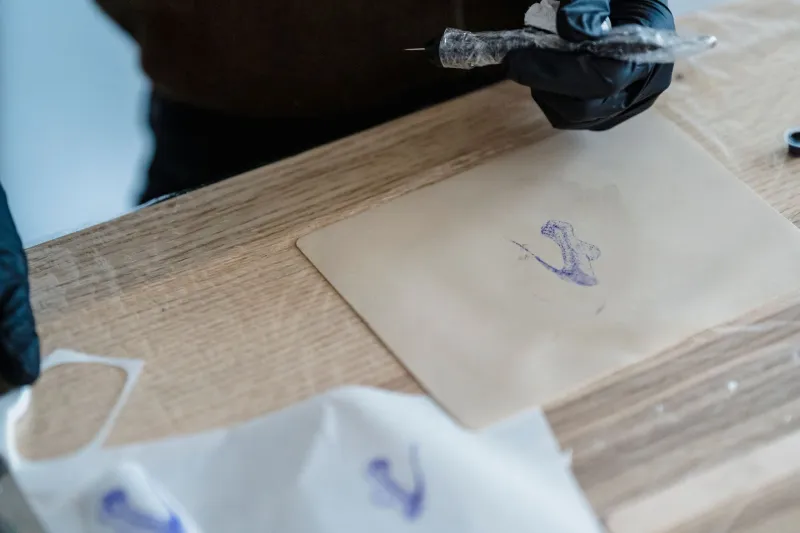
Long before tattoo parlours appeared on every high street and celebrity sleeves filled the gossip columns, a small number of fiercely dedicated British artists were developing something genuinely remarkable in seaside studios and backstreet shops. They weren't chasing recognition — most of them never got it. But the techniques, colour theories, and storytelling traditions they built from scratch would eventually ripple outward into fine art, fashion, and graphic design in ways nobody predicted.

Tiny Trains, Enormous Ideas: The Model Railway Clubs That Quietly Engineered the Future

Tiny Trains, Enormous Ideas: The Model Railway Clubs That Quietly Engineered the Future

For decades, Britain's model railway enthusiasts were the butt of gentle jokes — grown adults fussing over miniature locomotives in draughty church halls. But beneath the scenic landscapes and lovingly painted signals, something genuinely serious was happening. The precision engineering problems these hobbyists solved for fun turned out to have very real applications in aerospace, robotics, and early computing.

Margin of Error: The Throwaway Comments That Rewrote British History

Margin of Error: The Throwaway Comments That Rewrote British History

Hidden in the footnotes, scribbled in margins, and buried in parenthetical asides, some of Britain's most revolutionary ideas have been lurking in academic small print for decades. These scholarly afterthoughts and self-deprecating caveats have quietly spawned entire fields of study.

Sketching Tomorrow: When Britain's Satirical Doodlers Drew the Future Into Being

Sketching Tomorrow: When Britain's Satirical Doodlers Drew the Future Into Being

From Punch magazine's Victorian prophets to wartime comic strip visionaries, Britain's satirical artists possessed an uncanny knack for illustrating technologies decades before engineers could build them. Their playful irreverence gave them permission to imagine what serious minds dismissed as impossible.